A lighter route through Sumpu Castle Park, with fewer transfers and more time to notice the place. A central walk is a different plan from travelling to Shimizu and Miho, which need their own connections.
The slower side of Shizuoka appears when you stop treating every visible landmark as an obligation. Use Sumpu Castle Park as the main setting for a day, then let a visit to Aoba Symbol Road provide contrast if your energy and the weather allow it. This approach suits travellers who prefer one good neighbourhood to a chain of transfers. It also leaves more room for the everyday details of castle grounds and relaxed central streets, including streets that would disappear from a tightly scheduled route.
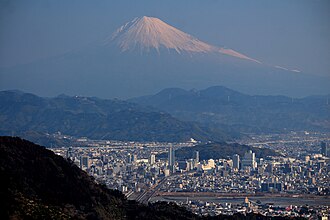
Begin at Shizuoka Station with a simple arrival rather than an immediate sightseeing mission. Find your accommodation or confirm where your bag can be left before adding another stop. A light day bag makes it easier to change direction without turning every pause into a logistical problem. Views of Mount Fuji depend on weather and location. Do not make a city day depend on seeing the mountain. Check the real walking route to the neighbourhood, and use local transport when it removes a tiring approach rather than assuming that slower travel must mean walking every metre.
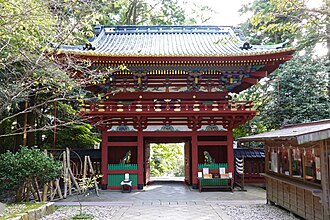
Spend the first part of the day in Sumpu Castle Park. Choose a small area of public streets and revisit a crossing or square if you want to understand how it fits together. There is no need to turn the walk into a complete circuit. Keep residential doorways clear and respect places that are closed to visitors. Pause somewhere you actually want to sit, paying attention to the business rules and ordering appropriately rather than treating a cafe as free storage or shelter.
A central walk is a different plan from travelling to Shimizu and Miho, which need their own connections. That is a useful reason to leave some of the map for another visit. A meal in the same district preserves continuity and avoids spending the most relaxed part of the day on another connection. If the area is crowded, step away from the busiest frontage rather than trying to push through every narrow street. Let the quieter public spaces guide the pace, and give shops, residents and other visitors room to carry on with their day.
When you want a change, consider Aoba Symbol Road as an outdoor pause rather than another sight to complete. Work out the return before extending the walk. Shizuoka City Museum of Art can replace that section if its collection appeals to you, but check the current opening arrangements and access first. There is little benefit in forcing both an outdoor circuit and a substantial museum visit into a day intended to feel spacious. One can be saved for a future morning.
Rail is useful for the longer approach, but the local journey may involve a different operator. An IC card can simplify many everyday rides; it is not a universal pass and does not automatically cover every limited express service or every regional route. Check the specific operator before boarding. Keep enough time to find the right platform and read the destination, since trains leaving the same station may branch in different directions.
Before the final part of the day, decide how much energy to keep for the journey back. Set aside the time needed to retrieve luggage and navigate the station without hurrying. Buy only what you can carry comfortably, and use a nearby evening meal rather than crossing the city for one last recommendation. A slower visit to Shizuoka is successful when the route supports your attention. You leave with a clearer memory of a few places and enough unfinished curiosity to make a return worthwhile.
Before you go
Confirm current services and venue access before booking. These official resources support transport planning; they do not endorse this guide.
Japan National Tourism Organization Suggest a correction