An indoor anchor, a shorter neighbourhood walk and an easier return when the forecast changes. Delfshaven deserves a dedicated stretch of time rather than a hurried detour from the central waterfront.
Rain changes the shape of a day in Rotterdam, but it does not have to turn the visit into a search for anywhere with a roof. Start with one indoor experience you would choose even in clear weather, then attach a short walk and an unhurried meal. Maritime Museum Rotterdam is a possible anchor to research, while Delfshaven provides a neighbourhood to explore when conditions ease. The outdoor part around Het Park remains optional, rather than something the day must achieve.
Check the indoor venue before you leave your accommodation. Opening days, temporary closures, ticket reservations and the entrance location all matter more when you are relying on one building for the centre of the day. A search result showing the museum name is not an availability check. Look at the official visitor page and decide whether its subject interests you. If it is unavailable, choose another confirmed indoor activity near your base rather than travelling across the city in the hope that something will be open.
Use Rotterdam Centraal as your arrival reference and examine the exposed sections of the onward journey. A route that appears slightly longer can be more comfortable when it involves fewer changes or a shorter final walk. The city covers a larger area than the compact Dutch historic centres. Use the metro or tram for outlying districts. Carry a small waterproof layer that leaves your hands free for railings and tickets. Keep wet belongings away from other passengers and follow the venue instructions for umbrellas, bags and lockers on arrival.
After the indoor visit, stay near Delfshaven for a meal or a short circuit of public streets. The aim is to preserve some sense of the city rather than spend the whole afternoon moving between enclosed buildings. Delfshaven deserves a dedicated stretch of time rather than a hurried detour from the central waterfront. Let the rain determine the length of the walk. A brief opening in the clouds may be enough for a riverside glance or a few unfamiliar streets, without justifying a large detour that leaves you far from shelter when the weather returns.
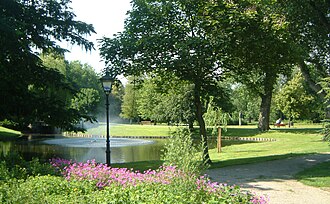
Treat Het Park as a choice to reassess at the time. Wet paving, wind, standing water and reduced visibility can change a walk that is pleasant in mild conditions. Do not assume that an ordinary urban route is suitable for everyone in bad weather. If the forecast includes severe conditions or transport warnings, follow local advice and keep the plan close to your accommodation. A photograph or a planned viewpoint is not a reason to ignore a closed path or a warning sign.
Check the journey in NS or 9292 for your travel day, especially when changing operators. Contactless payment is available across Dutch public transport, subject to the accepted card and travel conditions. Use the same card or device to check in and out, and follow the instructions when switching carriers. Do not mix a physical card with its phone wallet version during one journey.
Give the return journey a little extra attention. Check service information before leaving the indoor venue and identify somewhere comfortable to wait if the next connection is delayed. Allow wet shoes and a slower walking pace to change your timing. Rotterdam still offers modern architecture and working river views; you simply encounter those details in shorter intervals. A worthwhile rainy day has a clear indoor purpose, a manageable neighbourhood connection and the freedom to finish early when the weather stops being enjoyable.
Before you go
Confirm current services and venue access before booking. These official resources support transport planning; they do not endorse this guide.
NS passenger travel guidance Official journey planning Suggest a correction