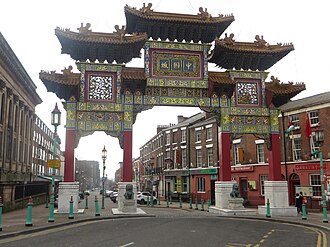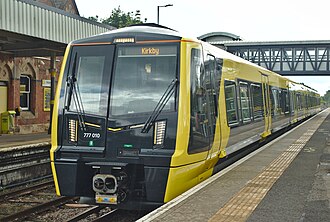
Make Liverpool Lime Street the starting point for a clearer journey through Liverpool. Give the dock museums their own block of time rather than trying to visit every large collection.
A successful public transport visit to Liverpool begins before the first local ride. Use Liverpool Lime Street as an arrival reference, then distinguish the intercity journey, the local network and the final walk. They may have different tickets, entrances and service patterns. This guide focuses on making those boundaries understandable rather than promising a particular fare or departure. Build the journey around Georgian Quarter, with Royal Albert Dock and Museum of Liverpool as possible anchors once the connections are clear.
Save the full name of your arrival station and the address of your first destination. A broad search for the city can hide a choice of terminals or a station outside the district you intended to visit. The waterfront lies below parts of the centre. Allow time for the return walk to Lime Street. Before buying accommodation, compare the actual route from the platform to the property, including any transfer. A room beside a useful line can be more convenient than a centrally marketed hotel reached by several separate stages.
Use the National Rail journey planner for the actual day rather than relying on a weekday search for a weekend trip. Engineering work can change the route, replace a train with a bus or move the final departure. Read the restrictions attached to the ticket you choose. A cheaper ticket can be less flexible, and a city bus journey is not automatically included in an intercity rail fare.
For a first outing, travel toward Georgian Quarter and keep the next part of the day within that area. Look at the stop nearest the entrance you want, not just the stop whose name resembles the attraction. A small difference in the final walk can matter when carrying bags or travelling in rain. Give the dock museums their own block of time rather than trying to visit every large collection. Once you have arrived, make walking the default for nearby stops only when the surfaces, gradients and weather suit your group.
Use Royal Albert Dock to test whether a second local ride adds value. Sometimes the walk between two areas is part of the experience; sometimes it is a long connection through streets you did not intend to explore. Compare both choices on a detailed map. Leave Museum of Liverpool as a separate decision, checking its current visitor access before travelling there. Avoid taking another vehicle solely because a pass makes it feel free. Travel time and attention are part of the cost even when another ride adds no fare.
For the return, identify a comfortable departure as well as the last possible service. Save the official service information while you have a connection and note the name of the operator. If disruption affects a transfer, ask staff about the valid alternative before boarding a different route. An earlier return can be a better decision than finishing a distant attraction and depending on one final connection. Carry enough battery power to display any digital ticket throughout the journey.
Passengers who need step free access should check station facilities, lift availability and the route beyond the exit directly with the operator. A train being accessible does not establish that the whole journey is suitable. Keep bags manageable and avoid blocking doors while finding a ticket. With the long approach, local connection and final walk planned separately, Liverpool becomes easier to navigate and there is more attention left for its maritime history and grand urban streets.
Before you go
Confirm current services and venue access before booking. These official resources support transport planning; they do not endorse this guide.
National Rail timetable information Official journey planning Suggest a correction