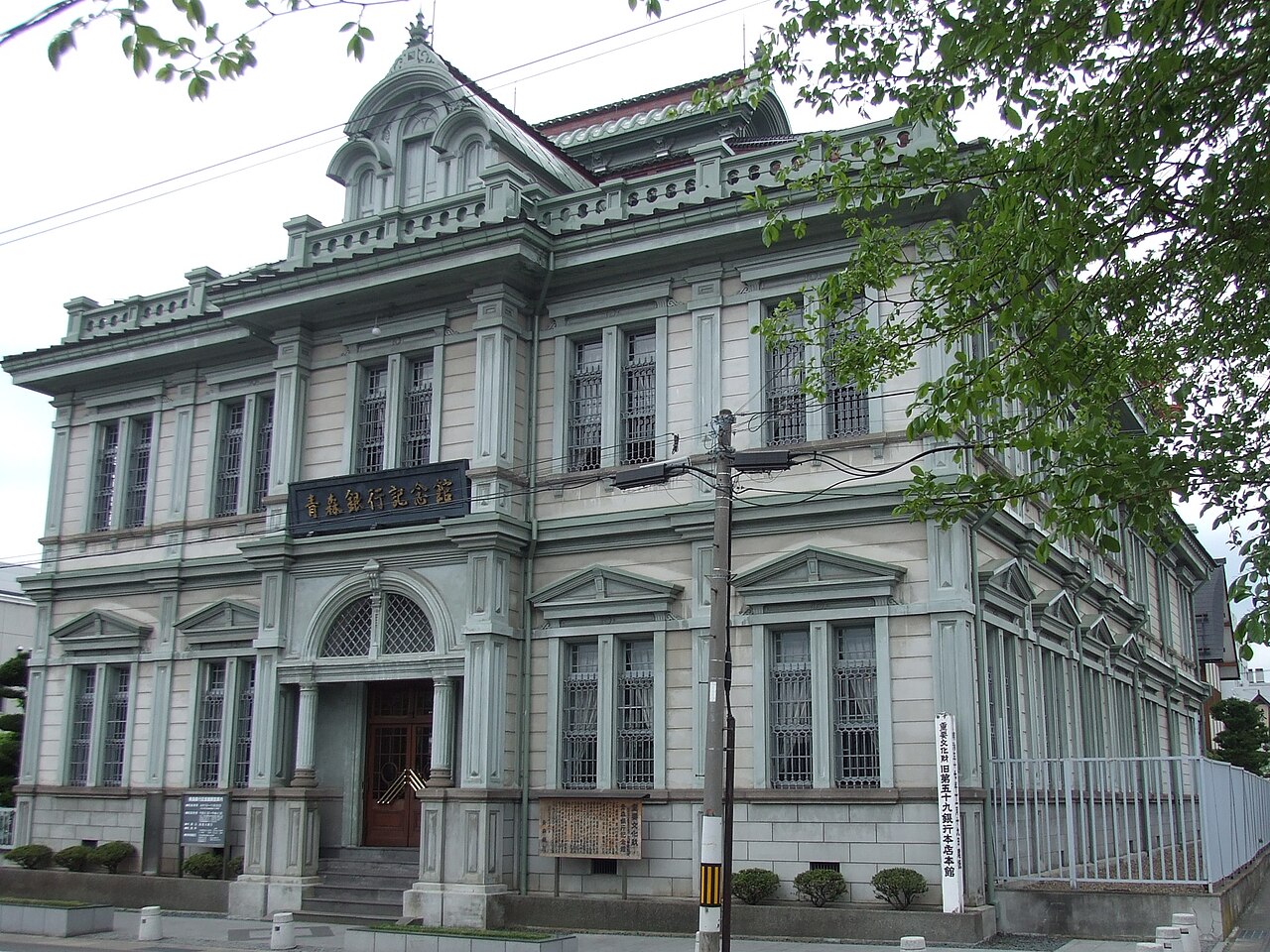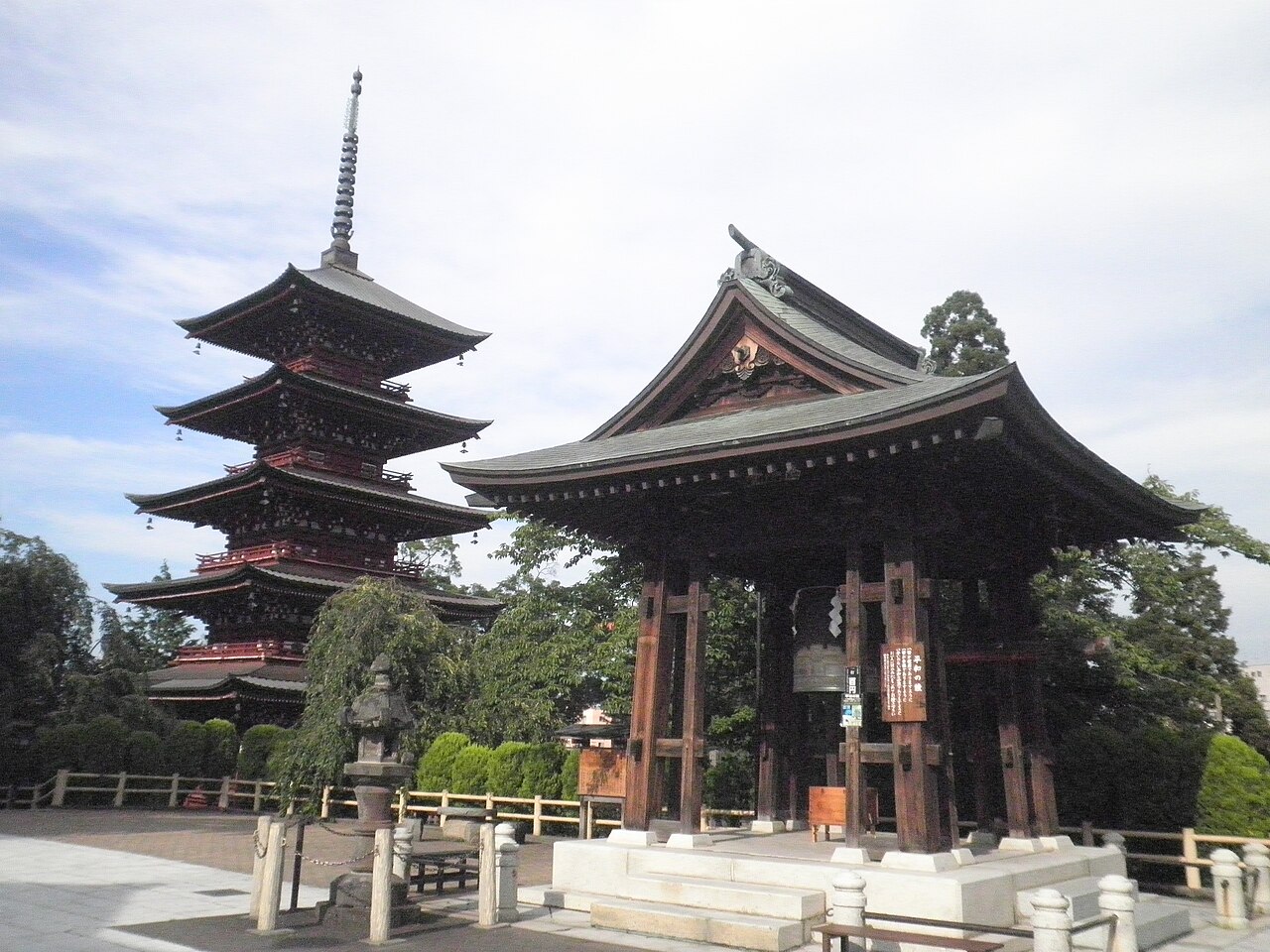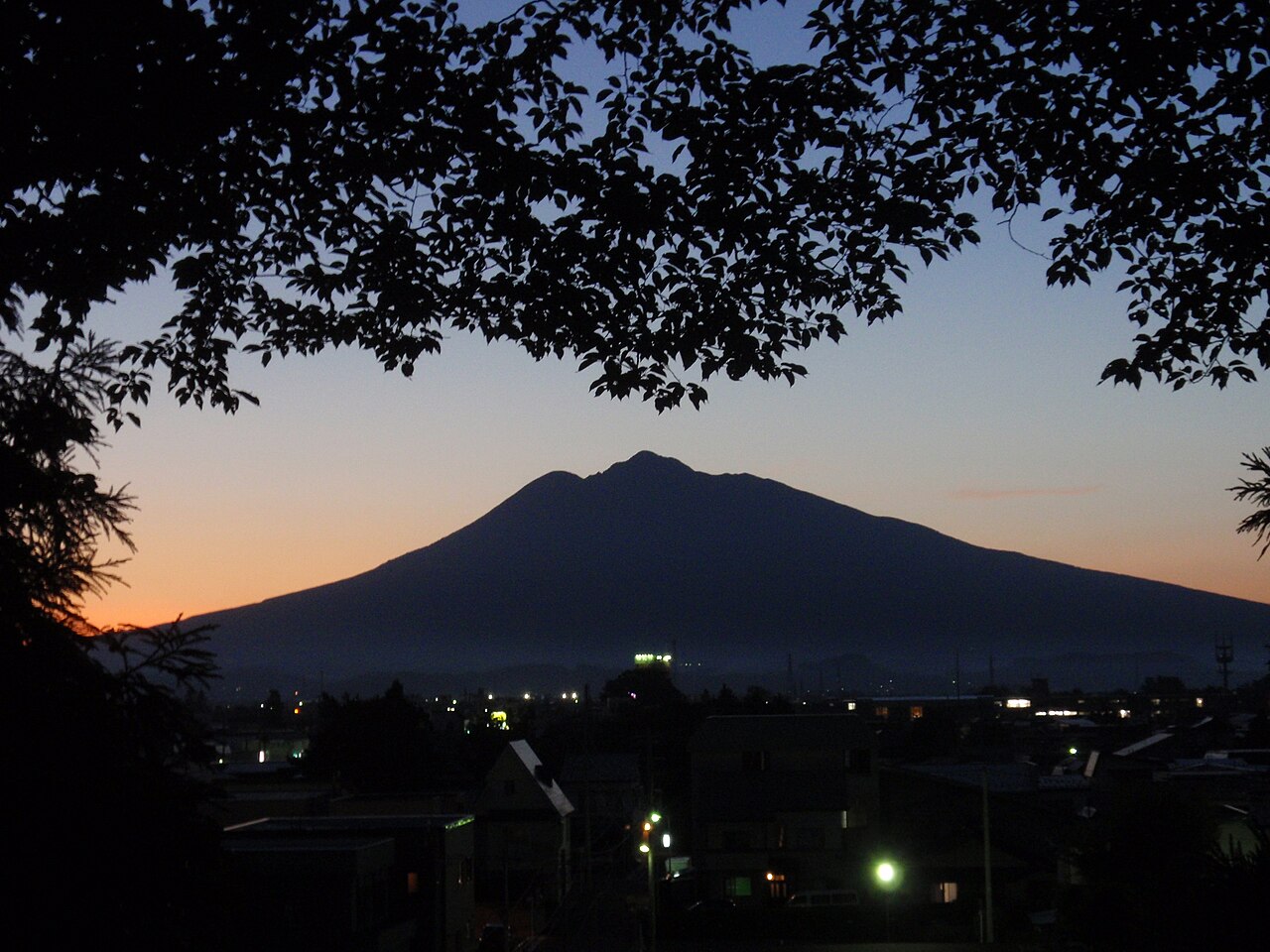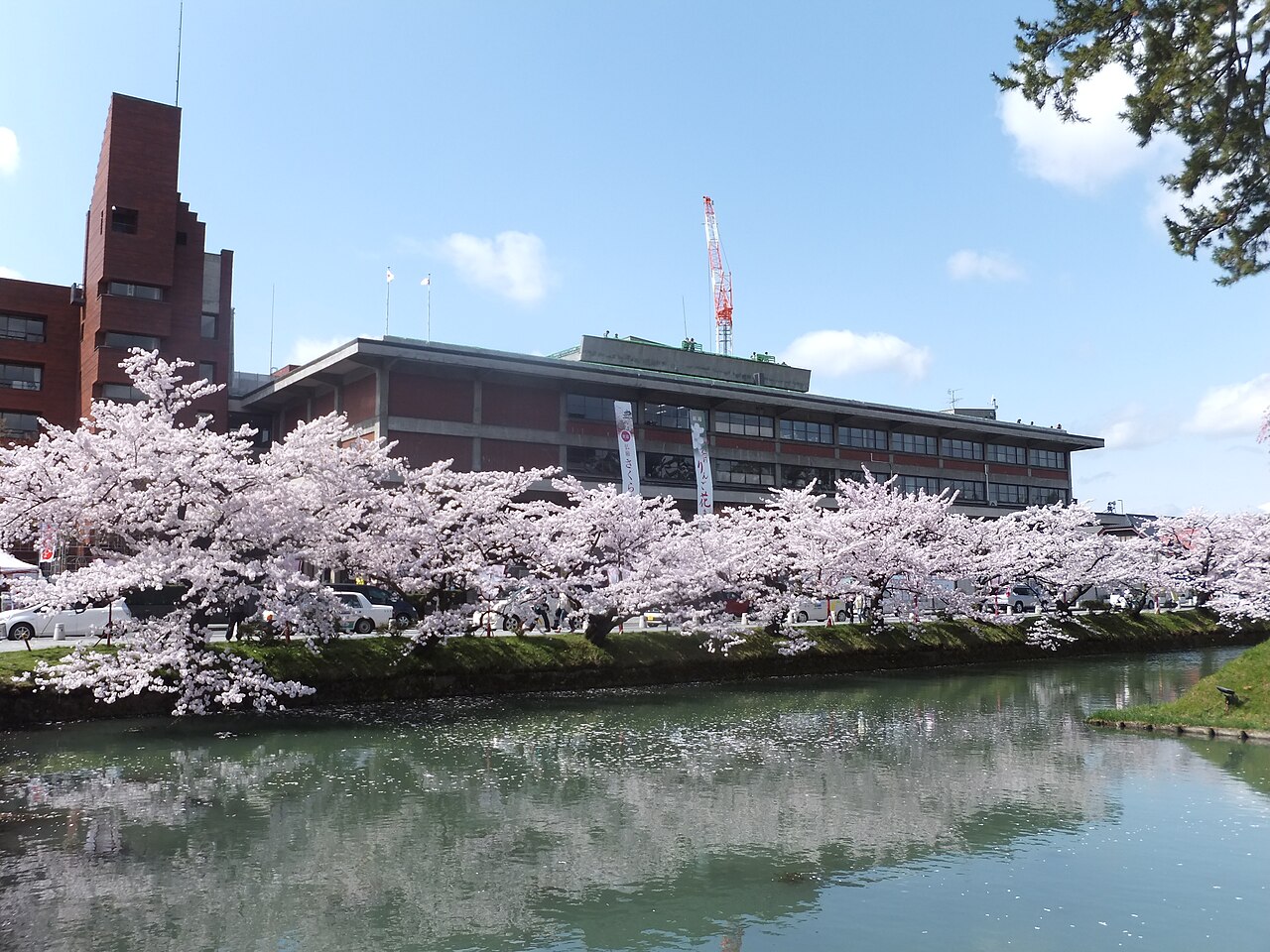
Two days of castle parkland and historic town streets, with a practical arrival plan and space to change your mind. Seasonal blossom interest can concentrate crowds in a small area. Keep a quieter town walk available.
Hirosaki is a rewarding weekend choice when you want castle parkland and historic town streets without making a rental car the centre of the trip. The useful decision is not how many sights to fit into two days, but which part of the city deserves an uninterrupted morning. This route uses Hirosaki Park as a neighbourhood anchor and Fujita Memorial Garden as a change of pace. It is a planning framework rather than a timed tour, so meals, weather and opening hours can determine the exact order.
Begin by choosing accommodation around the journey you will actually make. Arriving at Hirosaki Station does not mean that every hotel described as central is equally convenient. Trace the route from the station to the property with your luggage in mind. Read the walking directions as well as the headline distance, and check whether the final approach includes steps or a steep street. A slightly less picturesque base with a simple arrival can leave you with more energy for the rest of the weekend.
Give the first day to Hirosaki Park. Start with the public streets and notice how the neighbourhood is arranged before committing to a paid visit. Choose one place to spend meaningful time, then pause for lunch nearby instead of crossing the city for a recommendation. Seasonal blossom interest can concentrate crowds in a small area. Keep a quieter town walk available. Keeping the middle of the day geographically compact makes it easier to linger when a small shop, local exhibition or ordinary street turns out to be the most interesting part of the visit.
Make Fujita Memorial Garden the outdoor focus of the second day, subject to conditions and access. The point is to introduce a different rhythm rather than complete a prescribed circuit. Check the route back to your accommodation or station before walking farther than planned. The station is not at the park gate. Include the approach in your walking budget or investigate a local bus. If the weather becomes uncomfortable, shorten the outdoor section instead of trying to rescue the original schedule with a succession of hurried transfers.
Hirosaki Museum of Contemporary Art is an indoor possibility to investigate before the trip. Check its official visitor information for opening days, booking requirements, closures and access, since a building being well known does not guarantee it is available on your chosen weekend. Give any museum enough time to justify entering. If its programme does not interest you, a proper lunch and a shorter neighbourhood walk are more satisfying than paying for an attraction simply to fill a gap.
Rail is useful for the longer approach, but the local journey may involve a different operator. An IC card can simplify many everyday rides; it is not a universal pass and does not automatically cover every limited express service or every regional route. Check the specific operator before boarding. Keep enough time to find the right platform and read the destination, since trains leaving the same station may branch in different directions.
Keep your budget in separate parts for arrival, local travel, accommodation, meals and optional admissions. Compare a pass against the journeys you have chosen, not against an imagined schedule of constant travel. Before leaving Hirosaki, leave a margin to collect your bag and navigate Hirosaki Station. Finish the weekend near a dependable return route. The result should feel like time spent in a place, with room for an unexpected discovery, rather than a competition to cover the map.
Before you go
Confirm current services and venue access before booking. These official resources support transport planning; they do not endorse this guide.
Japan National Tourism Organization Suggest a correction